






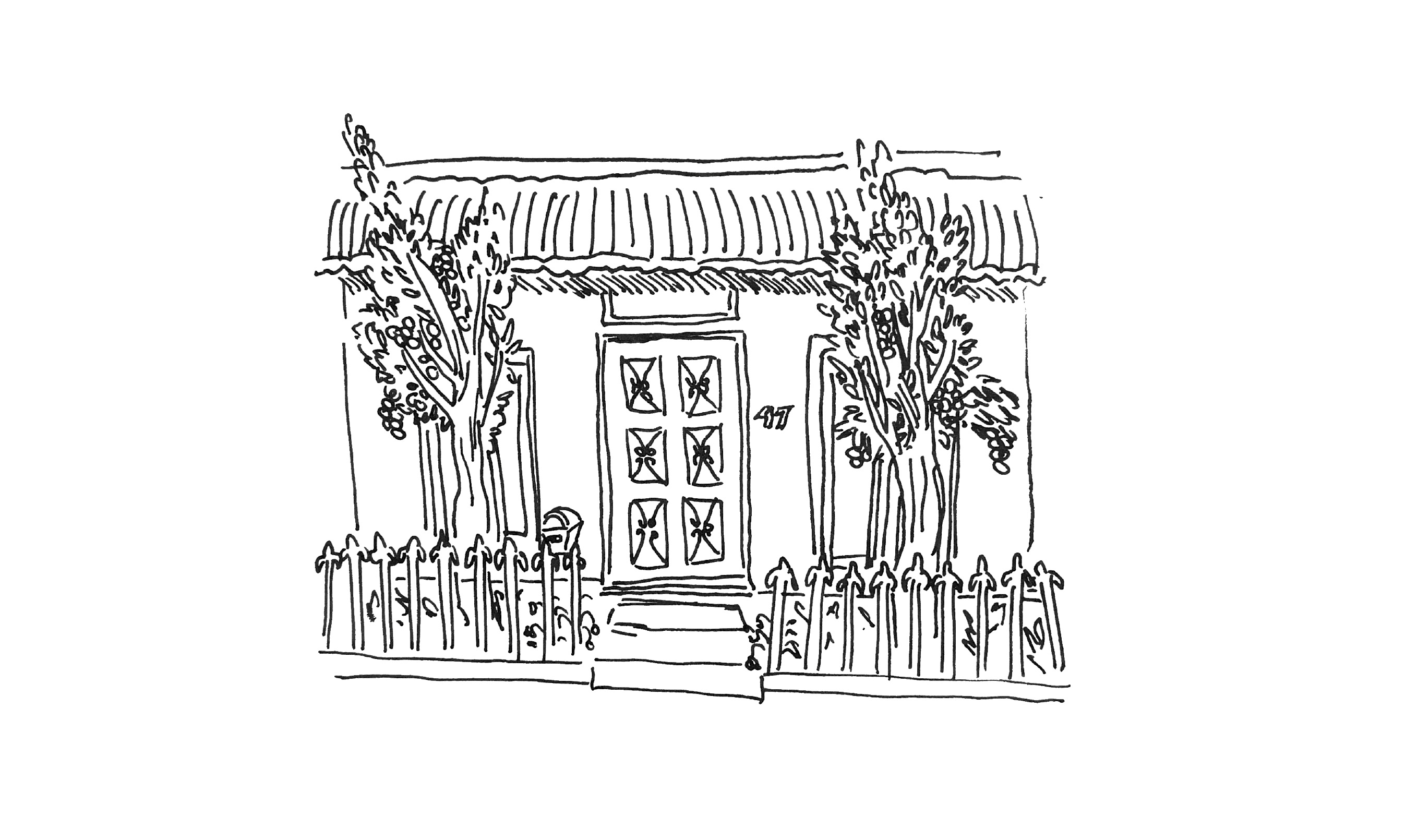
Number 47 Gore used to be the stables for the horses of patrons once visiting the old bank (Number 43). It was a single story, double-fronted house with a short front yard of twin plum trees and, later, hollyhocks that my mum planted. It was owned by Bob and Rivka, the parents of Sue — a friend mum had made while volunteering at RRR. Bob and Rivka weren’t living at 47 and maybe never would, it seemed. Somebody had to live in it. It had charming, poky rooms and yellow vinyl kitchen benches, and a thick plastic skylight that rain hammered down on. We moved in in 1989.
Living in Fitzroy as a child was nothing short of miraculous. People of all ages from all backgrounds lived next to each other (most of them at peace with the weekend burglary of their radios and TVs), the end of year street parties, a melee of sharehouses, elderly couples and weird-looking family units. Deli owners, car mechanics, TV personalities, kids’ book authors. The neighbourhood kids, of which I was part, rode around on our bikes screaming about a man we’d made up who lived in the back of the building that now houses the HAVN and the 24/7 Plus Fitness, but which used to be a Dean’s Art. His name was McCreagy and he ate children.
“You had a penchant for fatty meat,” is what my mother says when I call her to ask what she remembers about the food and drink of that time. And I still do, I think. She’s referring to the earliest story she can think of that involves me and food and Fitzroy. A Saturday or Sunday we’d just returned home from the Vic Market. Mum had her turned back to me putting things away in the fridge, and when she turned back, found the stack of salami suddenly missing. Just the open deli paper there on the table blowing in the breeze. Apparently I was sitting happily in my high chair across from her, toothless gums chewing furiously. “That’s not the kind of story I’m looking for,” I tell her.
My mum remembers Fitzroy as delis, bars, pubs, “space cadets”. Says the suburb lived off of places like Sila’s, and the cheeses and empanadas at Casa Iberica after the influx of migration from Central and South America in the 1970s changed Johnston Street forever. She talks about the Jump Club, where the Commonwealth Bank on Smith is now, owned by Skyhook’s Bob Starkie, where her band once supported Echo and the Bunnymen, and tells me that most of the imbibing was done in people’s houses and backyards because they couldn’t afford to go out. Our backyard was no exception, often full of neighbours or friends. She talks about how, watching the suburb change, she’s struck by how lucky we were that we could once get a seat at the bar of the Robbie Burns on a weeknight, get three counter meals for the three of us and a beer for her, all for fifteen bucks. She asks me what I remember.
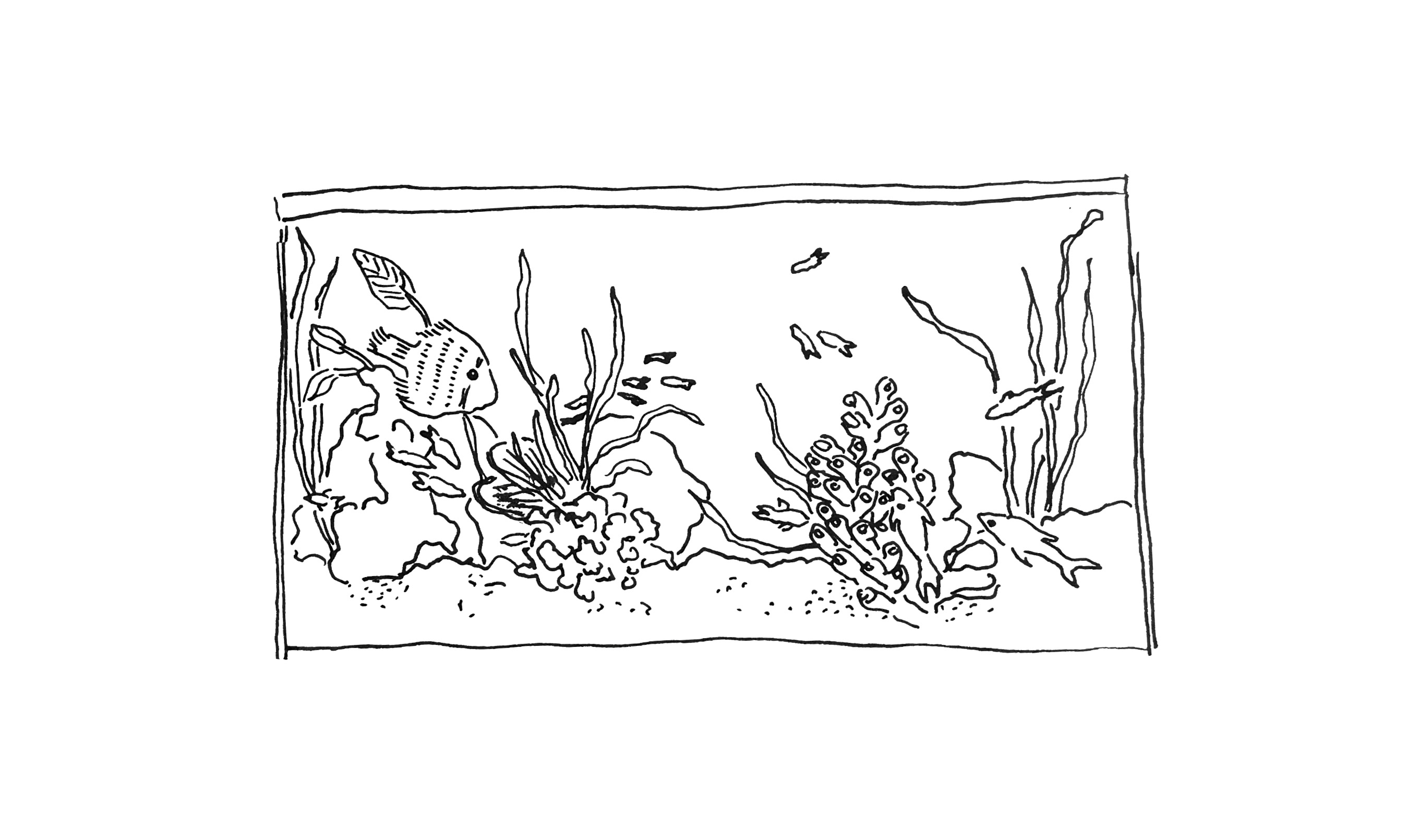
Instantly I’m thinking of the flakey, golden spanakopita from Melissa, where Nick and Soula Katsakis would invite us down into the kitchen to see how the pastry was stretched out over the benchtops like surgical gloves. Of the aquarium that ran down the middle of Coconut Palms — then Ly Ly Palace. Sitting there and feeling like a million bucks because I had a Combination Crispy Fried Egg Noodle in front of me, colourful little fish swimming past my head, most likely a special occasion like parent teacher interviews. I’m thinking of the Peking duck at Old Kingdom, where we went for my brother’s birthday every year. I’m thinking, too, then, of a thing that some would say I neither ate or drank but I would argue I did both with: the Brownie Demeter Fragrance from Lore Perfumery which I sprayed on myself one day after school, and which triggered my first ever bin spew, just outside Polyester Records (a synergetic place for it to be). Strange reaction considering I had, on previous afternoons, sprayed myself with Demeter Fragrance Library scents that should have been more heinous to the sinuses: earthworm, dirt, cupcake, grass. Of my first Long Island Iced Tea at a bar I can’t remember the name of, somewhere upstairs from Brunswick Street near Mario’s, where my brother’s friend’s girlfriend bartended, and served my just-legal friends and I and made us feel famous. Of the jug of vodka and cranberry I’d concoct after a long shift being useless at The Grace Darling in the first half of last decade, which I would drink through a straw while losing all my tips on games of dice that went into the morning. I’m even thinking of the meal I eat most now that I’ve moved back into Fitzroy, into a one-bedroom apartment off Brunswick Street where I spend most of my time in the bath. The shining, perfect vermicelle rice bowl at Vinh Long 2, grilled pork with prawn spring rolls, which you’d never know was perfect because the little orange restaurant is so often empty.
Watching Fitzroy change as much as it has, and does all the time invokes all kinds of feelings, not least of all the one that remembers that gentrification is an operation symptomatic of modern materialism – one that really gets its legs from people like my parents and their friends: young artists who move where it’s affordable to, and where everybody else isn’t. But living here again for the first time since my early 20s, it feels clear to me that the more Fitzroy’s new tenants try to change its spots — by turning credit co-ops into Thonet showrooms and the like — the more the suburb’s other half wrenches in the opposite direction. With each dewey new morning, on my walk to work through the back streets, I’m met with new reserves of vomit freckling the street, newly smashed car side mirrors, fresh (albeit a little dispassionate) graffiti, and hundreds of empty whipped cream charger tanks leaned against the streets’ tree trunks. And at the risk of sounding like somebody who might get their childhood postcode tattooed on a pectoral, this makes a lot more sense to me than the plague of Porsche Cayennes. As a child (and I suppose forever), to me, Fitzroy represented historic rebellion and survival. A place of Australia’s Black Power movement, pride, kookiness, and clandestine meetings held in the upstairs rooms of pubs to mobilise against mindless development — like Jeff Kennet’s plan to nuke the Fitzroy Pool for mass apartments. A place of street parties, parades, social services, bulk billing, loud noises, weird art, and cultures bleeding into one another.
My mum rented 47 on a month-to-month tenancy for more than 30 years. It was sold in 2020 and razed by new owners. When the rebuild — an aloof, perfectly rendered white wall that conceals the capacious house behind it — was profiled in the paper last year, the writer called the Number 47 we lived in “derelict”.