

edges of reason
bottom of the bottle
from the cellar

The World is Your BBQ

guide
/
byo club
internatty
microclimate
from the cellar
in good company
edges of reason
bottom of the bottle

The World is Your BBQ

words

Aleksandra Bliszczyk

images

No items found.

Six months into my new life in sunny Marseille, learning French, fumbling through my commis chef job in a hellishly hot pink ‘modern’ restaurant, and dedicating all my spare time to making friends and learning the way of life here. Then came the invitation: my first beach BBQ. 

“If you’re free tomorrow we are gonna have a BBQ on the rocks, near Vallon des Auffes there’s some grills. Come through if you can and we can have some sunny seaside sausage glory,” my friend Bea texted. 

“Omg BBQed sausage by the beach, my culture!!!!!” I replied.

I googled the alleged grills at Vallon des Auffes (a small historic port area in the city), expecting to see pictures of familiar gas-powered planchas, like the public BBQs back home in Australia. 

When I finally got the location pin, I was surprised to see the group was in fact “on the rocks” at the water’s edge, down a sketchy clamber from the road 15 metres overhead.

I reached them to find all the hallmarks of a cook-up: metal tongs, containers of salads and homemade dips, cups of cheap rosé, bags of supermarket sausages and chips and a 10kg sac of charcoal. But that was it. Maybe we were waiting for someone who was bringing a Baby Weber? 

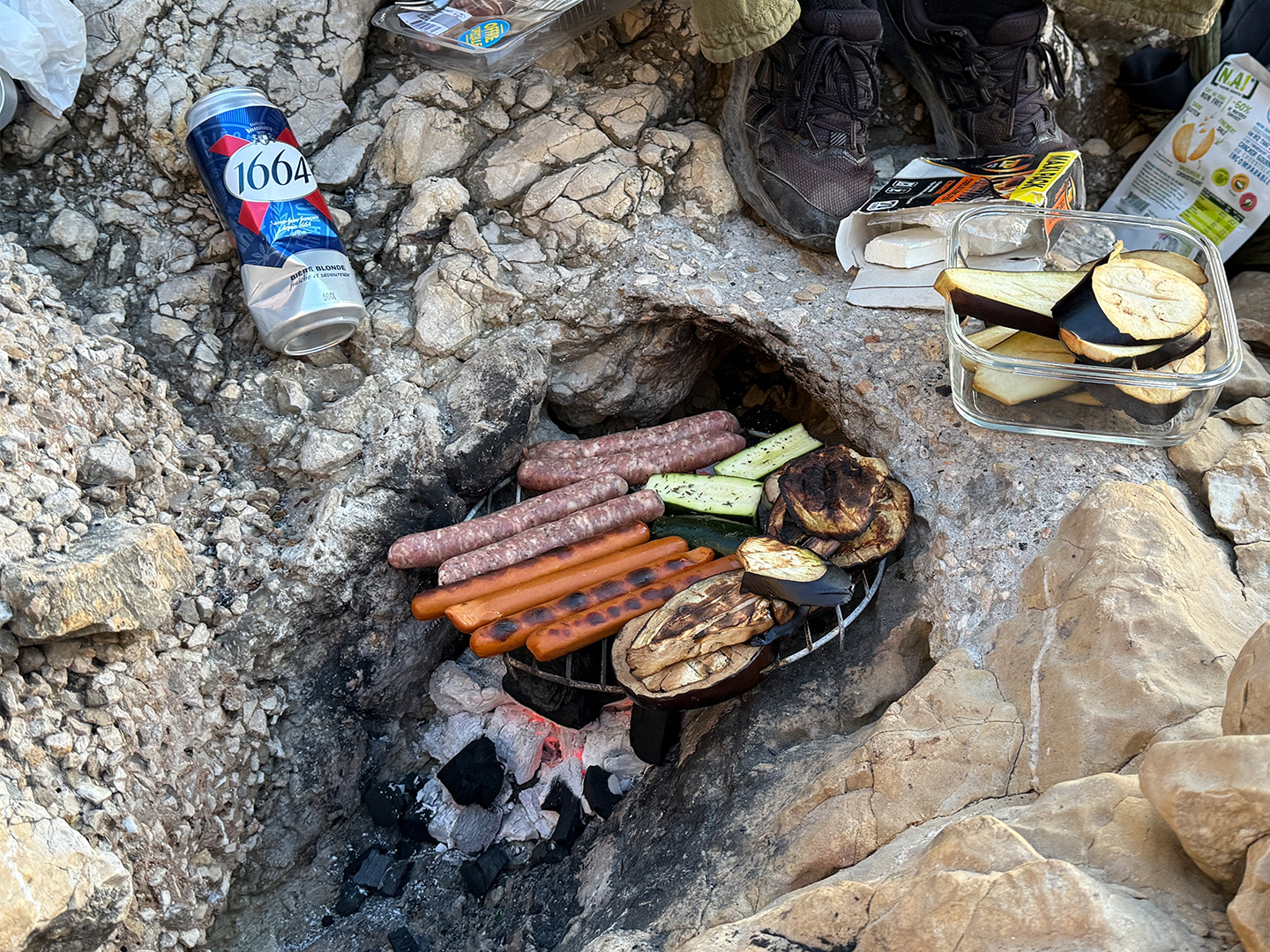
The dozen of us sat in a rough circle around a natural pocket in the rock, the gentle Mediterranean lapping less than a metre away, soggy ciggie butts and rusted bottle caps strewn at our feet. It had a small amount of concrete poured in to render a flat-ish surface that I would never have noticed had it not been pointed out to me. Out of the blue, a few people grabbed the charcoal, dumped it into the pocket, lit the coals with firelighters, then pulled a grill/oven shelf from someone’s bag and laid it over the top. Voilà. 

A beachside barbecue setup in Marseille

‍

Snags, eggplant rounds and marinated mushroom skewers delicately sizzled over the embers as the sky turned pink. We tore up sections of baguettes and poked a bit of everything in. 

The ashy remnants of dinners like this can be found in crevasses all over the city’s rocky shore. Although this Marseille Way looked different, the irrelevance of the mishmash of food tossed over the heat to the event itself reminded me of home.

“What is Australian cuisine?” 

I couldn’t even begin to count how many times I’ve been asked this question over the last two years spent travelling and living on the other side of the world. 

Depending on my company – and my blood alcohol level – my answer varies from, "Well, colonisation continues to erase and suppress Indigenous food knowledge, but as a country of immigrants we’re blessed with dishes like the pub chicken parma,” to, “I guess BBQ”. 

I don’t know why it springs to mind, but it’s always there. My dad’s monstrosity from Barbeque’s Galore, with its oversized plastic knobs and XL gas bottle, is clear as day in my core memories. Sausage sizzle, lamb chops, “shrimp on the barbie”, (though I don’t think a single person has once quoted Paul Hogan’s line from that 1984 Australian tourism campaign in the US to me). What do Australians do at Christmas? BBQ. What did you do for your last birthday back home? BBQ. What happens on election day? At the hardware store? At school sports? At literally any community event? 

Australia’s BBQ culture began 65,000 years ago  in open-flame cooking practices forged by Aboriginal and Torres Strait Islander ancestors, from damper, to paperbark-wrapped fish, to whole kangaroo tail placed directly onto red-hot cinders and alive remains in Indigenous families and communities today. In non-Indigenous households, there’s almost certainly some greasy old thing covered in cobwebs on the balcony or in the backyard. 

The usual tepid response to my answer is “BBQ, but…everyone has that?” 

Fair enough. Having spent 10 months of 2025 in 12 countries, from China to India via Thailand, across Central Asia and the Caucasus region, up to the Nordic countries and back down to southern Europe, I’ve eaten a lot of grilled stuff.

In China, endless options of seasoned sticks charred over hot coals are everywhere. In Chongqing, dedicated stalls sell whole spring onions pushed through equal lengths of pork intestine, seared and served like a paddlepop. In southern Yunnan province, the Indigenous Naxi people grill slices of Yak’s cheese before dipping them in a mixture of local spices and peanut powder. 

In the packed laneways around Delhi’s Jama Masjid, wide metal skewers of golden, curd-marinated chicken pieces bubble over open flames, turbo-charged by rusty desk fans plugged into the shop roof and propped up on the grill. 

In Uzbekistan, shashlik is a part of daily life and the scent of charcoal-grilled mutton floats through the streets. 

All over London, fragrant smoke billows from backyards and street stalls where oil drums repurposed as Jamaican jerk pans gently char dozens of jerk chicken marylands for the lunch rush. 
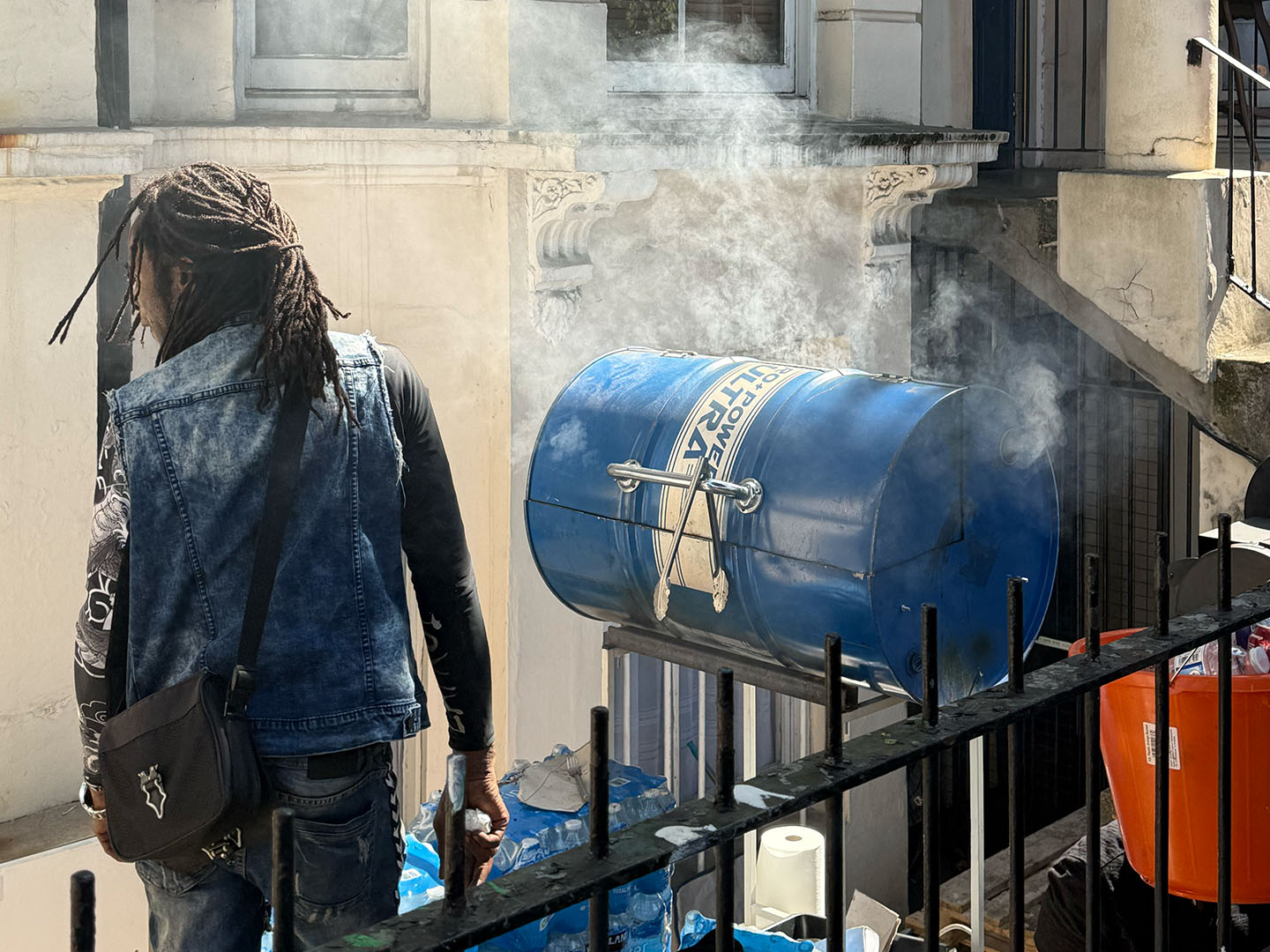
Jerk chicken in London

‍

On Greece’s islands, whole fish caught that morning blister over coals before being served with jugs of olive oil and lemon juice swirled together.

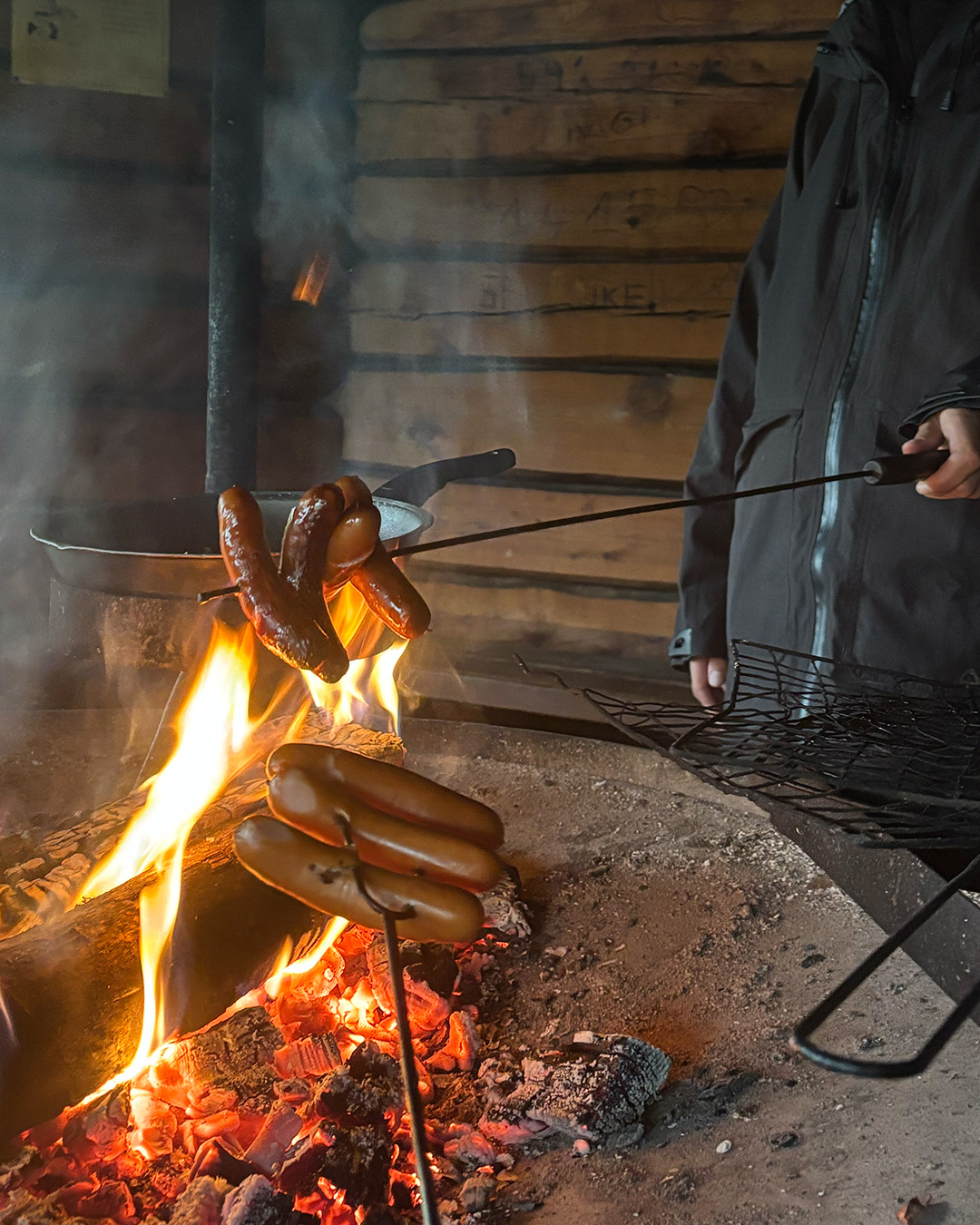
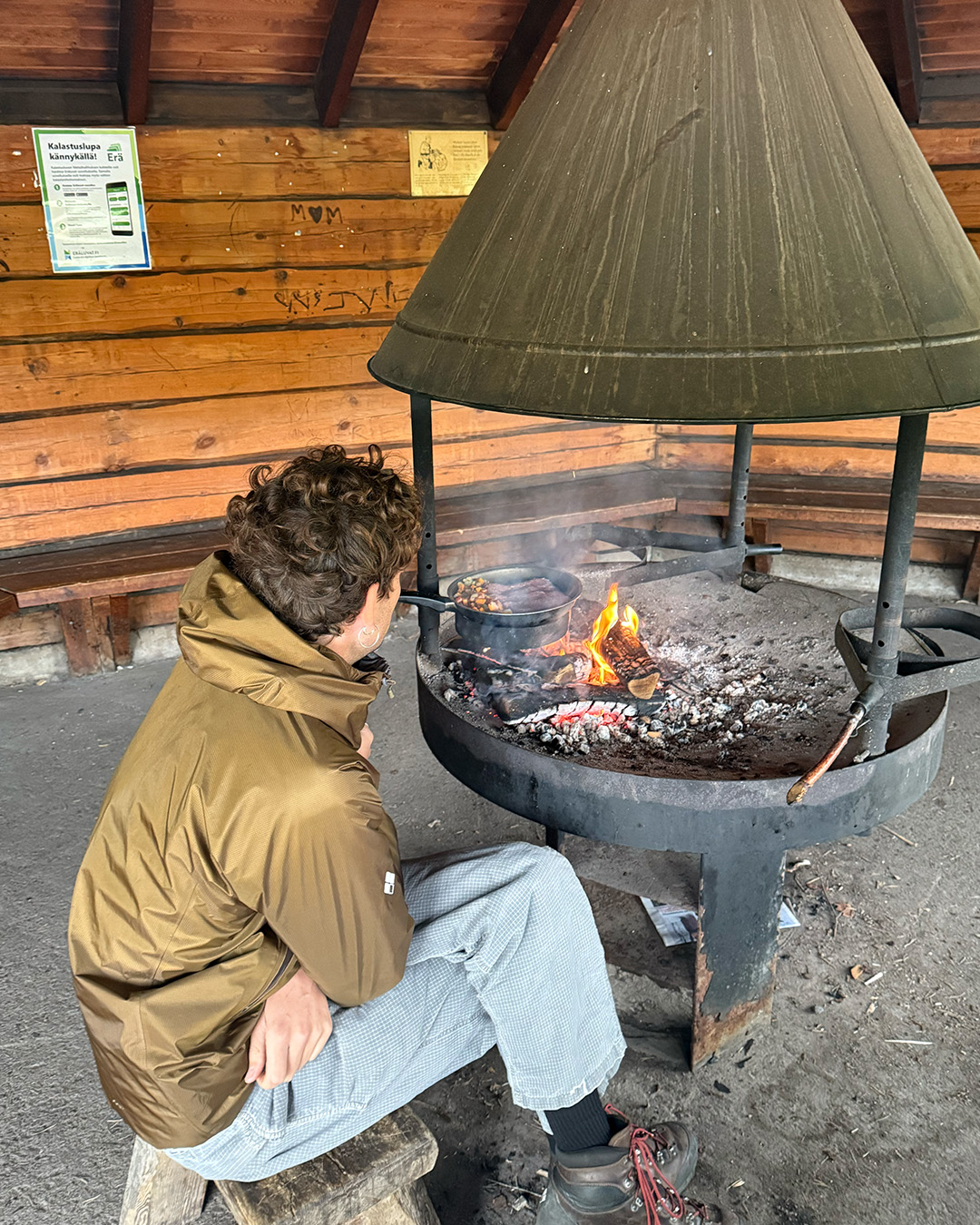
In Finland’s arctic north, where the sun doesn’t set for weeks in summer nor rise in winter, laavus dot the wild landscape: public shelters with a roof and fireplace, stocked year-round with free firewood. Before embarking on a hike or snowshoe, Finnish families fill their coat pockets with tubes of mustard and vacuum-packed sausages made from pork, beef, reindeer or moose to cook over the campfire in a laavu. 
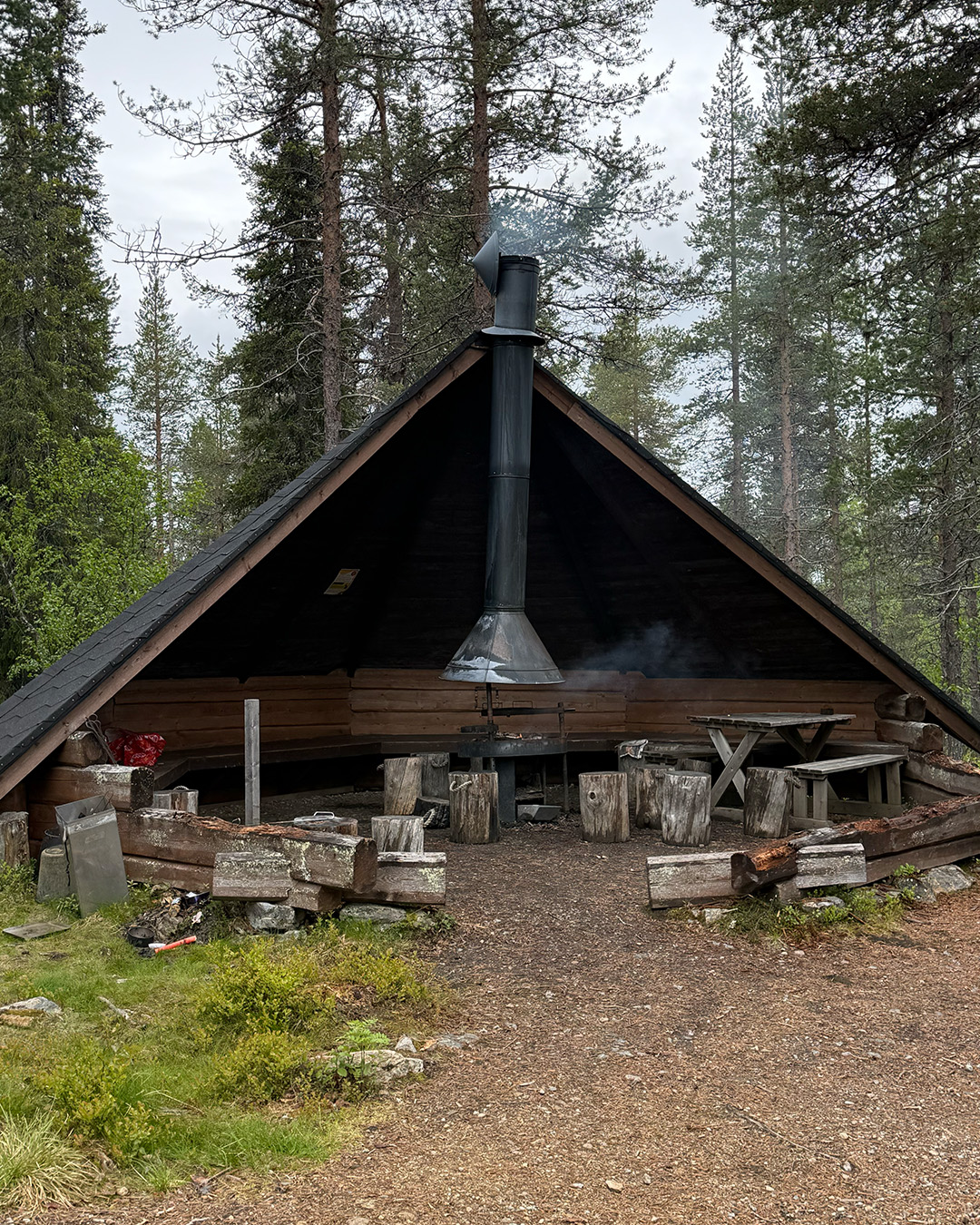
A typical Finnish Laavu
The fire pit in action
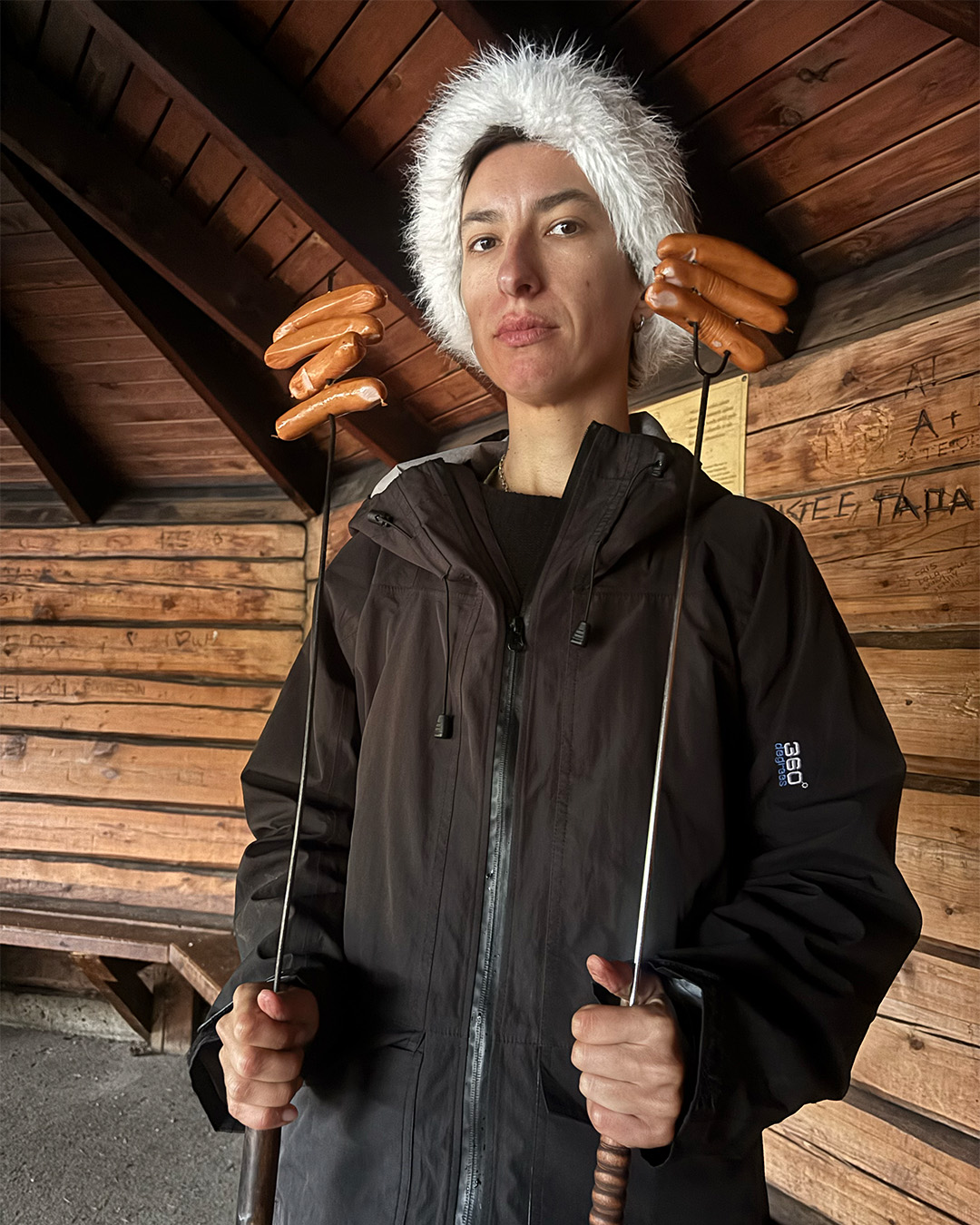
Wherever you are in the world, you're not far from a sausage

‍

Practically every culture in the world grills, just as proudly as we do and often better. Centuries of regional cuisine-building elsewhere mean most grilled dishes I’ve tasted in the last two years were far more delicious than anything we flame at home. But perhaps that’s because the Aussie ‘barbie’ really isn’t about the food at all, it’s our social infrastructure. Just like it was to my Marseille friends when we cooked whatever was left in our fridges on the rocks at sunset.

The BBQ’s casual nature disarms. Its leisurely pace invites exchange. Its communal spirit equalises. 

At home, a cheap Coles snag with its weird fake casing is just as welcome on a grill as a pork and fennel from the Italian deli, or cevapi from a Balkan butcher, or a $3-a-pop lamb, black garlic and sorrel from Meatsmith. Whatever lands on your plate, it doesn’t matter. The BBQ is just the backdrop.

published
October 12, 2026
Aleksandra Bliszczyk is a journalist and former deputy editor of Vice Australia, currently based in Marseille. Follow her on Instagram.
No items found.
guide
/
byo club
internatty
microclimate
from the cellar
in good company
edges of reason
bottom of the bottle

The World is Your BBQ

words

Aleksandra Bliszczyk

images

No items found.

Six months into my new life in sunny Marseille, learning French, fumbling through my commis chef job in a hellishly hot pink ‘modern’ restaurant, and dedicating all my spare time to making friends and learning the way of life here. Then came the invitation: my first beach BBQ. 

“If you’re free tomorrow we are gonna have a BBQ on the rocks, near Vallon des Auffes there’s some grills. Come through if you can and we can have some sunny seaside sausage glory,” my friend Bea texted. 

“Omg BBQed sausage by the beach, my culture!!!!!” I replied.

I googled the alleged grills at Vallon des Auffes (a small historic port area in the city), expecting to see pictures of familiar gas-powered planchas, like the public BBQs back home in Australia. 

When I finally got the location pin, I was surprised to see the group was in fact “on the rocks” at the water’s edge, down a sketchy clamber from the road 15 metres overhead.

I reached them to find all the hallmarks of a cook-up: metal tongs, containers of salads and homemade dips, cups of cheap rosé, bags of supermarket sausages and chips and a 10kg sac of charcoal. But that was it. Maybe we were waiting for someone who was bringing a Baby Weber? 

The dozen of us sat in a rough circle around a natural pocket in the rock, the gentle Mediterranean lapping less than a metre away, soggy ciggie butts and rusted bottle caps strewn at our feet. It had a small amount of concrete poured in to render a flat-ish surface that I would never have noticed had it not been pointed out to me. Out of the blue, a few people grabbed the charcoal, dumped it into the pocket, lit the coals with firelighters, then pulled a grill/oven shelf from someone’s bag and laid it over the top. Voilà. 

A beachside barbecue setup in Marseille

‍

Snags, eggplant rounds and marinated mushroom skewers delicately sizzled over the embers as the sky turned pink. We tore up sections of baguettes and poked a bit of everything in. 

The ashy remnants of dinners like this can be found in crevasses all over the city’s rocky shore. Although this Marseille Way looked different, the irrelevance of the mishmash of food tossed over the heat to the event itself reminded me of home.

“What is Australian cuisine?” 

I couldn’t even begin to count how many times I’ve been asked this question over the last two years spent travelling and living on the other side of the world. 

Depending on my company – and my blood alcohol level – my answer varies from, "Well, colonisation continues to erase and suppress Indigenous food knowledge, but as a country of immigrants we’re blessed with dishes like the pub chicken parma,” to, “I guess BBQ”. 

I don’t know why it springs to mind, but it’s always there. My dad’s monstrosity from Barbeque’s Galore, with its oversized plastic knobs and XL gas bottle, is clear as day in my core memories. Sausage sizzle, lamb chops, “shrimp on the barbie”, (though I don’t think a single person has once quoted Paul Hogan’s line from that 1984 Australian tourism campaign in the US to me). What do Australians do at Christmas? BBQ. What did you do for your last birthday back home? BBQ. What happens on election day? At the hardware store? At school sports? At literally any community event? 

Australia’s BBQ culture began 65,000 years ago  in open-flame cooking practices forged by Aboriginal and Torres Strait Islander ancestors, from damper, to paperbark-wrapped fish, to whole kangaroo tail placed directly onto red-hot cinders and alive remains in Indigenous families and communities today. In non-Indigenous households, there’s almost certainly some greasy old thing covered in cobwebs on the balcony or in the backyard. 

The usual tepid response to my answer is “BBQ, but…everyone has that?” 

Fair enough. Having spent 10 months of 2025 in 12 countries, from China to India via Thailand, across Central Asia and the Caucasus region, up to the Nordic countries and back down to southern Europe, I’ve eaten a lot of grilled stuff.

In China, endless options of seasoned sticks charred over hot coals are everywhere. In Chongqing, dedicated stalls sell whole spring onions pushed through equal lengths of pork intestine, seared and served like a paddlepop. In southern Yunnan province, the Indigenous Naxi people grill slices of Yak’s cheese before dipping them in a mixture of local spices and peanut powder. 

In the packed laneways around Delhi’s Jama Masjid, wide metal skewers of golden, curd-marinated chicken pieces bubble over open flames, turbo-charged by rusty desk fans plugged into the shop roof and propped up on the grill. 

In Uzbekistan, shashlik is a part of daily life and the scent of charcoal-grilled mutton floats through the streets. 

All over London, fragrant smoke billows from backyards and street stalls where oil drums repurposed as Jamaican jerk pans gently char dozens of jerk chicken marylands for the lunch rush. 

Jerk chicken in London

‍

On Greece’s islands, whole fish caught that morning blister over coals before being served with jugs of olive oil and lemon juice swirled together.

In Finland’s arctic north, where the sun doesn’t set for weeks in summer nor rise in winter, laavus dot the wild landscape: public shelters with a roof and fireplace, stocked year-round with free firewood. Before embarking on a hike or snowshoe, Finnish families fill their coat pockets with tubes of mustard and vacuum-packed sausages made from pork, beef, reindeer or moose to cook over the campfire in a laavu. 
A typical Finnish Laavu
The fire pit in action
Wherever you are in the world, you're not far from a sausage

‍

Practically every culture in the world grills, just as proudly as we do and often better. Centuries of regional cuisine-building elsewhere mean most grilled dishes I’ve tasted in the last two years were far more delicious than anything we flame at home. But perhaps that’s because the Aussie ‘barbie’ really isn’t about the food at all, it’s our social infrastructure. Just like it was to my Marseille friends when we cooked whatever was left in our fridges on the rocks at sunset.

The BBQ’s casual nature disarms. Its leisurely pace invites exchange. Its communal spirit equalises. 

At home, a cheap Coles snag with its weird fake casing is just as welcome on a grill as a pork and fennel from the Italian deli, or cevapi from a Balkan butcher, or a $3-a-pop lamb, black garlic and sorrel from Meatsmith. Whatever lands on your plate, it doesn’t matter. The BBQ is just the backdrop.
published
October 2026
Aleksandra Bliszczyk is a journalist and former deputy editor of Vice Australia, currently based in Marseille. Follow her on Instagram.
No items found.

Thanks for reading.

Veraison's "Internatty" guides are a tool for navigating the broader world through a local lens. Our favourite discoveries from across the globe.
We published a lot of wonderful writing from friends and colleagues back in Veraison's days as a physical publication, and we wanted to give some of it a permanent home. Our "From The Cellar" articles are a curation of our favourite pieces from Veraison's print days, brought online for you.
Veraison's "Microclimate" guides are focused on what's happening here in Naarm. These guides try to shine a light on some of the often overlooked aspects of this ridiculous city of ours.
"Edges Of Reason" is a recurring chit-chat between besties Claire and Moira; a (very) loosely structured exploration of ideas, sometimes over a bottle of wine, with much vim and vigour.
The "Bottom Of The Bottle" article series is our long-form meandering exploration of ideas, championing the kinds of conversations you might get into when you're 750ml deep with a friend or two.
"BYO Club" is Darryl's routine roundup of the best spots to bring your best botts (and friends, of course). Each BYO Club Guide is compiled with a different theme in mind.
all articles