



this article is for subscribers only
edges of reason
bottom of the bottle
from the cellar

On Tuba

guide
/
byo club
internatty
microclimate
from the cellar
in good company
edges of reason
bottom of the bottle

On Tuba

words

Catherine Ortega-Sandow

images

James Emmanuel McKinnon

Tuba is a coconut wine originating from Leyte, an island in the Visayas group of islands in the Luzviminda Archipelago (otherwise known as the Philippines). It is a low-cost drink produced from the sap of the coconut tree and mixed with bark as it is aged. Made throughout the provinces of Leyte, there are many local variations and techniques. Below the surface, though, tuba symbolises a long history of intergenerational knowledge, with the contemporary production and consumption carrying on a legacy of traditional practice that predates colonisation.

Understanding the significance of tuba is somewhat like working through a tapestry of memories and conversations with friends and family. It involves disentangling centuries of colonial literature and juxtaposing the singularity of these historically dominant narratives with many local people’s perspectives, practices, and histories. People who — despite inhabiting vastly different locations and experiences — have in common their relationship to tuba and the stories it carries through generations.

There is very little written about tuba and unsurprisingly most of what is accessible is early documentation encased within the journals of an external gaze. The earliest known written record of tuba is dated to 1521 and by Antonio Pigafetta, who served as the assistant to Ferdinand Magellan. The same Ferdinand Magellan who is responsible for establishing a route linking the Atlantic and Pacific oceans, leading to the expansion of the Spanish Empire. Later the same year that Pigafetta wrote on the tuba, Magellan was killed by the Indigenous population led by warrior LapuLapu in the Battle of Mactan after he attempted to set fire to their homes for refusing to pledge allegiance to the Spanish Crown.

“Coconuts are the fruit of the palm tree. Just as we have bread, wine, oil, and milk, so those people get everything from that tree. They get wine in the following manner. They bore a hole into the heart of the said palm at the top called palmito, from which distils a liquor which resembles a white must. That liquor is sweet but somewhat tart, and is gathered in canes of bamboo as thick as the leg and thicker. They fasten the bamboo to the tree at evening for the morning, and in the morning for the evening.”
– Antonio Pigafetta
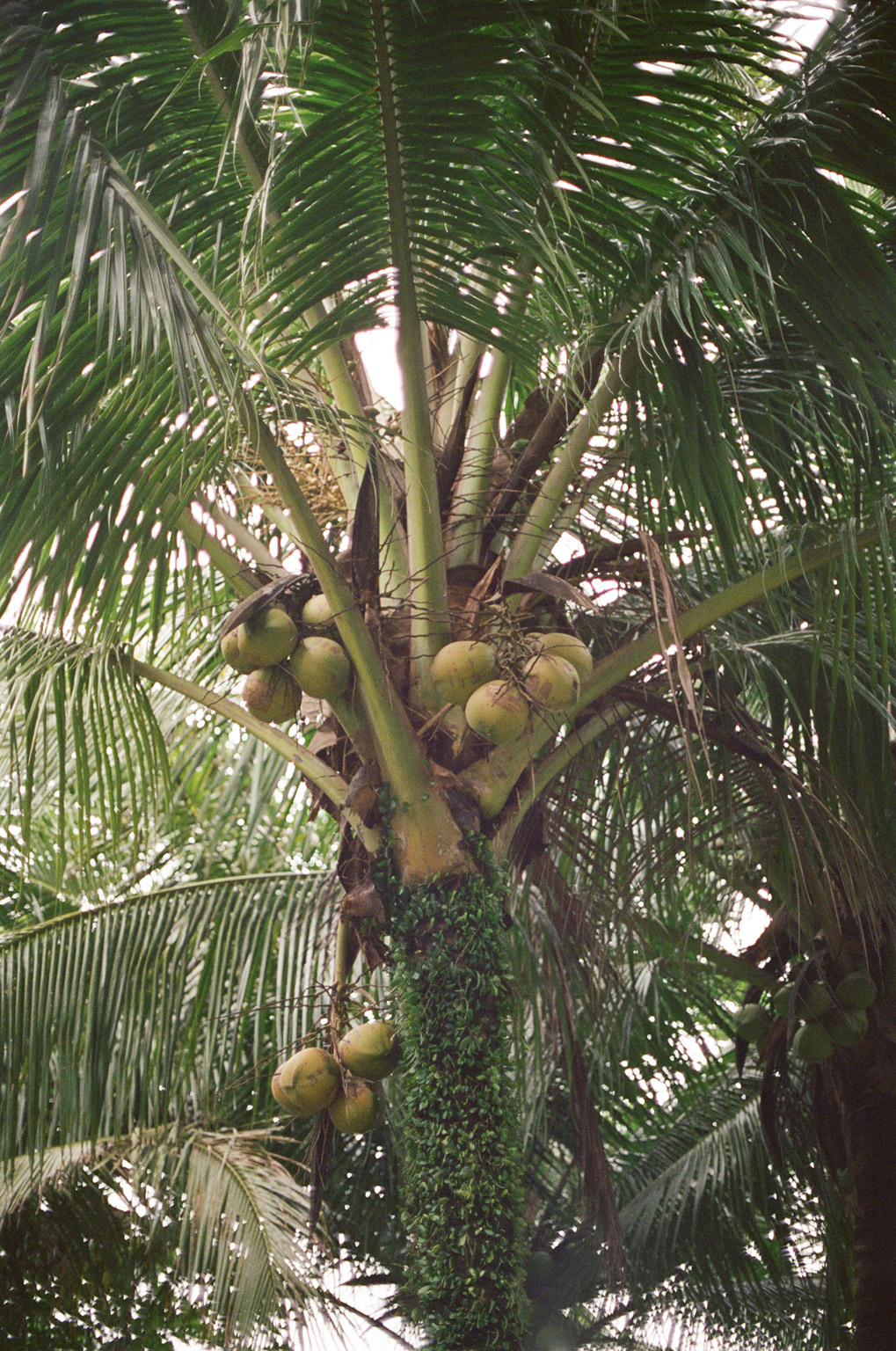
With the paucity of written documentation on tuba, Pigafetta’s observations are a resource in understanding the historical role of tuba. But, when thinking about these historical observations as a whole, an alternative history emerges. A history that is located in between the time stamps of colonial journal entries and instead emerges from the communities observed.  What goes unsaid is that, despite over three hundred years of Spanish colonialism, fifty years of American colonialism and the ongoing Western influence that remains, tuba continues to be deeply embedded within communities and cultural rituals.

Despite the dominance of colonial narratives and documentation, tuba has a long history predating colonisation. Indigenous wine-making traditions date back long before Spanish colonisation in the 16th century, and it is understood that tuba was consumed recreationally and in the animist rituals practised within communities. Methods of using tuba in ritual and healing ceremonies continue to this day with traditional healers using tuba to treat ailments such as arthritis, mild stroke, hypertension.
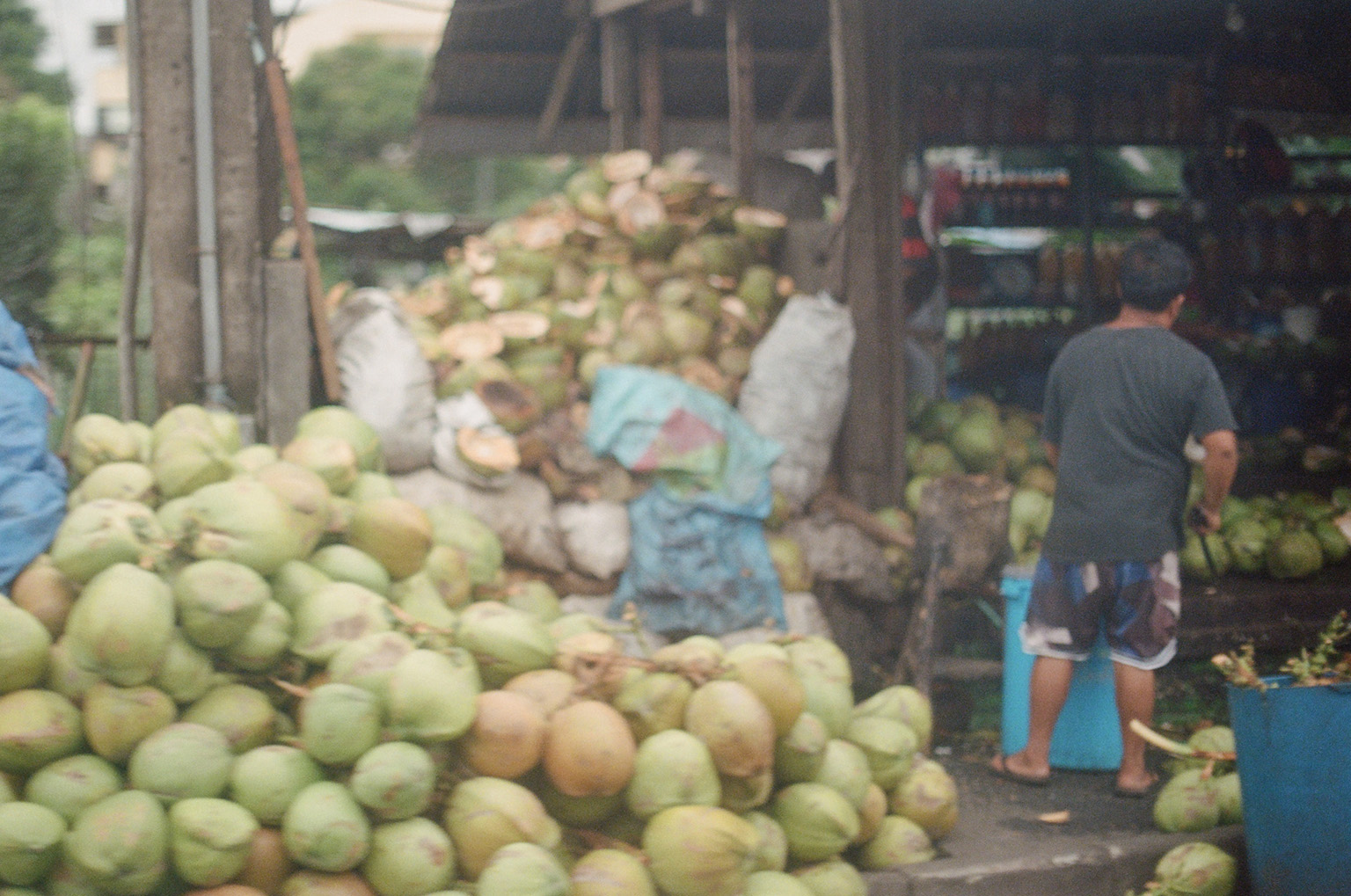
The production of tuba starts with the mananggiti (wine-gatherer) who is responsible for extracting the coconut sap by creating an incision in the tree to collect the sap over the course of the day. The sap is then mixed with barok (bark) and sold onto the alpor, who oversees the aging process. The addition of barok is crucial to the quality of the tuba, with an imbalanced mixture leading to a bitter taste. The tuba — a red colour from the barok — is then left to ferment, with the quality and taste increasing with the length of time. It can be aged anywhere from one month to multiple years, with tuba under six months called bahal and that over a year called bahalina. Once fermented, the alpor sells the tuba to distributors or directly to sari-saris (local corner stores). Academic Sheldon Agaton, in describing this supply chain, shows that despite the vital role, skill, and expertise of the mananggiti, they are consistently undervalued and underpaid for their work.

With no formal training in tuba production, the knowledge is passed on orally from one generation of mananggiti to the next. Such oral histories, and the way in which traditional production methods are closely followed and valued, leads researchers and communities to believe the tuba that is consumed today uses the same methods as ancestors centuries ago.

“… One of the best tuba that I know is from Palo Leyte... They aged it and bury in the ground for years. And it taste way a lot sweeter than the usual tuba you can buy in the corner”  
– Jodi Ann Cuasito
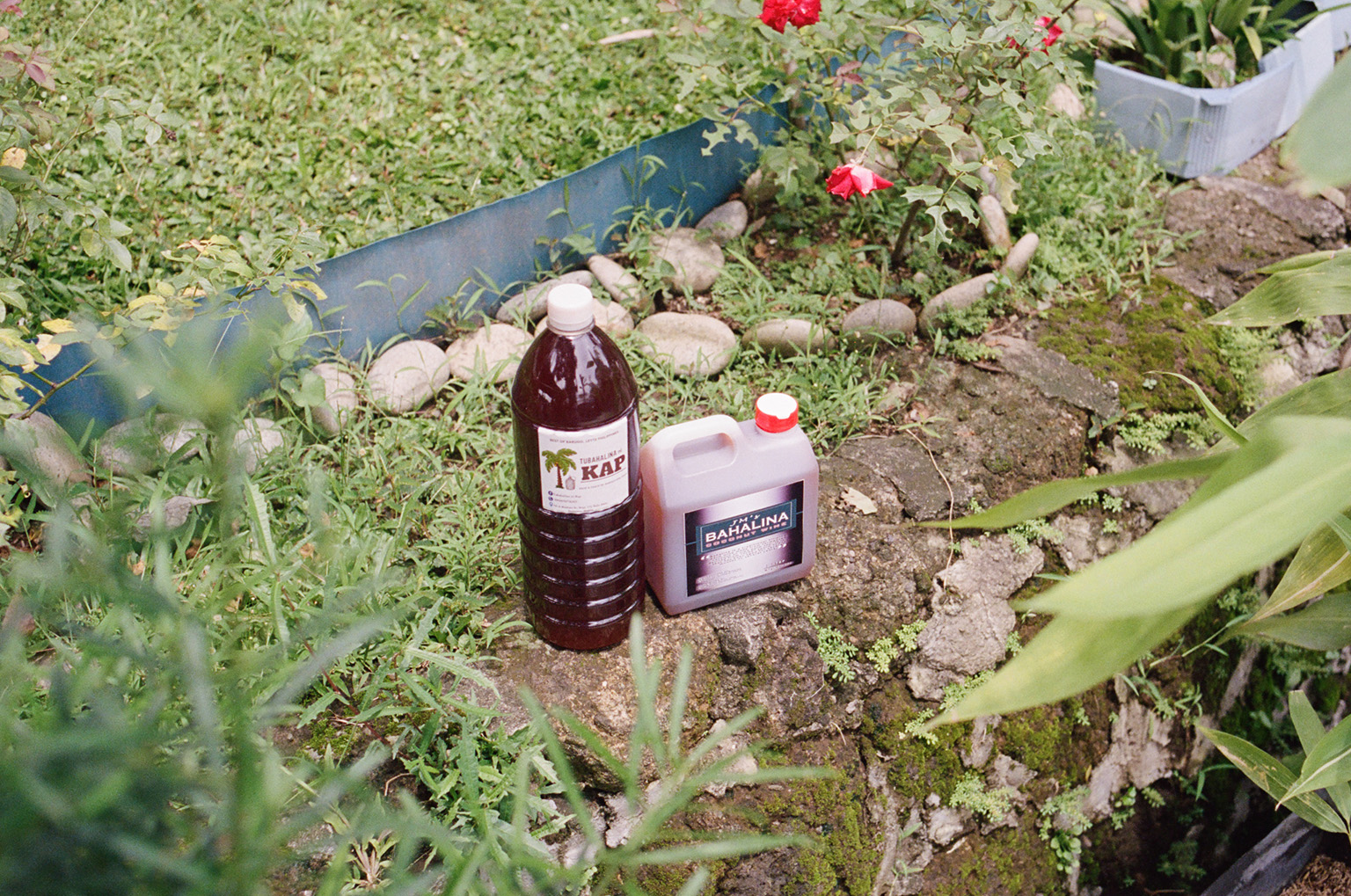
Tuba represents a continuity of knowledge, trust, and community relationships from the mananggiti to the consumer. Tuba is usually purchased from the sari-sari without labels or any formal classification. In this way the consumers must trust the store owner that the tuba being purchased is of good quality.

The importance of tuba is not only informed by the skills of the mananggiti, and the care taken throughout the aging process, and storage by the sari-sari owner to create the best tasting drink, but also by its comparatively low alcohol percentage (sometimes as low as 4%). This enables the wine to be drunk for long periods of time with friends and family, often through the drinking practice of tagay. Tagay being a drinking practice that dates to before colonisation in which, instead of having individual cups or glasses to drink from, a single glass is passed around the group. In these ways, consumption of tuba establishes and reinforces relationship ties within communities.

Tuba carries the wisdom and rituals of ancestors. And, while these narratives may be hard to locate within colonial texts, they continue to exist in the oral histories within communities, similar to those that were so generously shared to me throughout the development of this text.

“Your stories, your chats, your conversations can last up to hours due to laughter and many other things… reminiscing the past, something like that… for many hours and tuba will accompany you”  
– Sheldon Ives Agaton

Special thanks to Sheldon Ives Agaton and Jodi Ann Cuasito for sharing their wisdom in the development of this article.
published
June 22, 2026
originally printed in
Veraison IV
guide
/
byo club
internatty
microclimate
from the cellar
in good company
edges of reason
bottom of the bottle

On Tuba

words

Catherine Ortega-Sandow

images

James Emmanuel McKinnon

Tuba is a coconut wine originating from Leyte, an island in the Visayas group of islands in the Luzviminda Archipelago (otherwise known as the Philippines). It is a low-cost drink produced from the sap of the coconut tree and mixed with bark as it is aged. Made throughout the provinces of Leyte, there are many local variations and techniques. Below the surface, though, tuba symbolises a long history of intergenerational knowledge, with the contemporary production and consumption carrying on a legacy of traditional practice that predates colonisation.

Understanding the significance of tuba is somewhat like working through a tapestry of memories and conversations with friends and family. It involves disentangling centuries of colonial literature and juxtaposing the singularity of these historically dominant narratives with many local people’s perspectives, practices, and histories. People who — despite inhabiting vastly different locations and experiences — have in common their relationship to tuba and the stories it carries through generations.

There is very little written about tuba and unsurprisingly most of what is accessible is early documentation encased within the journals of an external gaze. The earliest known written record of tuba is dated to 1521 and by Antonio Pigafetta, who served as the assistant to Ferdinand Magellan. The same Ferdinand Magellan who is responsible for establishing a route linking the Atlantic and Pacific oceans, leading to the expansion of the Spanish Empire. Later the same year that Pigafetta wrote on the tuba, Magellan was killed by the Indigenous population led by warrior LapuLapu in the Battle of Mactan after he attempted to set fire to their homes for refusing to pledge allegiance to the Spanish Crown.

“Coconuts are the fruit of the palm tree. Just as we have bread, wine, oil, and milk, so those people get everything from that tree. They get wine in the following manner. They bore a hole into the heart of the said palm at the top called palmito, from which distils a liquor which resembles a white must. That liquor is sweet but somewhat tart, and is gathered in canes of bamboo as thick as the leg and thicker. They fasten the bamboo to the tree at evening for the morning, and in the morning for the evening.”
– Antonio Pigafetta

With the paucity of written documentation on tuba, Pigafetta’s observations are a resource in understanding the historical role of tuba. But, when thinking about these historical observations as a whole, an alternative history emerges. A history that is located in between the time stamps of colonial journal entries and instead emerges from the communities observed.  What goes unsaid is that, despite over three hundred years of Spanish colonialism, fifty years of American colonialism and the ongoing Western influence that remains, tuba continues to be deeply embedded within communities and cultural rituals.

Despite the dominance of colonial narratives and documentation, tuba has a long history predating colonisation. Indigenous wine-making traditions date back long before Spanish colonisation in the 16th century, and it is understood that tuba was consumed recreationally and in the animist rituals practised within communities. Methods of using tuba in ritual and healing ceremonies continue to this day with traditional healers using tuba to treat ailments such as arthritis, mild stroke, hypertension.

The production of tuba starts with the mananggiti (wine-gatherer) who is responsible for extracting the coconut sap by creating an incision in the tree to collect the sap over the course of the day. The sap is then mixed with barok (bark) and sold onto the alpor, who oversees the aging process. The addition of barok is crucial to the quality of the tuba, with an imbalanced mixture leading to a bitter taste. The tuba — a red colour from the barok — is then left to ferment, with the quality and taste increasing with the length of time. It can be aged anywhere from one month to multiple years, with tuba under six months called bahal and that over a year called bahalina. Once fermented, the alpor sells the tuba to distributors or directly to sari-saris (local corner stores). Academic Sheldon Agaton, in describing this supply chain, shows that despite the vital role, skill, and expertise of the mananggiti, they are consistently undervalued and underpaid for their work.

With no formal training in tuba production, the knowledge is passed on orally from one generation of mananggiti to the next. Such oral histories, and the way in which traditional production methods are closely followed and valued, leads researchers and communities to believe the tuba that is consumed today uses the same methods as ancestors centuries ago.

“… One of the best tuba that I know is from Palo Leyte... They aged it and bury in the ground for years. And it taste way a lot sweeter than the usual tuba you can buy in the corner”  
– Jodi Ann Cuasito

Tuba represents a continuity of knowledge, trust, and community relationships from the mananggiti to the consumer. Tuba is usually purchased from the sari-sari without labels or any formal classification. In this way the consumers must trust the store owner that the tuba being purchased is of good quality.

The importance of tuba is not only informed by the skills of the mananggiti, and the care taken throughout the aging process, and storage by the sari-sari owner to create the best tasting drink, but also by its comparatively low alcohol percentage (sometimes as low as 4%). This enables the wine to be drunk for long periods of time with friends and family, often through the drinking practice of tagay. Tagay being a drinking practice that dates to before colonisation in which, instead of having individual cups or glasses to drink from, a single glass is passed around the group. In these ways, consumption of tuba establishes and reinforces relationship ties within communities.

Tuba carries the wisdom and rituals of ancestors. And, while these narratives may be hard to locate within colonial texts, they continue to exist in the oral histories within communities, similar to those that were so generously shared to me throughout the development of this text.

“Your stories, your chats, your conversations can last up to hours due to laughter and many other things… reminiscing the past, something like that… for many hours and tuba will accompany you”  
– Sheldon Ives Agaton

Special thanks to Sheldon Ives Agaton and Jodi Ann Cuasito for sharing their wisdom in the development of this article.
published
June 2026
originally printed in
Veraison IV
Thanks for reading.
Veraison's "Internatty" guides are a tool for navigating the broader world through a local lens. Our favourite discoveries from across the globe.
We published a lot of wonderful writing from friends and colleagues back in Veraison's days as a physical publication, and we wanted to give some of it a permanent home. Our "From The Cellar" articles are a curation of our favourite pieces from Veraison's print days, brought online for you.
Veraison's "Microclimate" guides are focused on what's happening here in Naarm. These guides try to shine a light on some of the often overlooked aspects of this ridiculous city of ours.
"Edges Of Reason" is a recurring chit-chat between besties Claire and Moira; a (very) loosely structured exploration of ideas, sometimes over a bottle of wine, with much vim and vigour.
The "Bottom Of The Bottle" article series is our long-form meandering exploration of ideas, championing the kinds of conversations you might get into when you're 750ml deep with a friend or two.
"BYO Club" is Darryl's routine roundup of the best spots to bring your best botts (and friends, of course). Each BYO Club Guide is compiled with a different theme in mind.
all articles